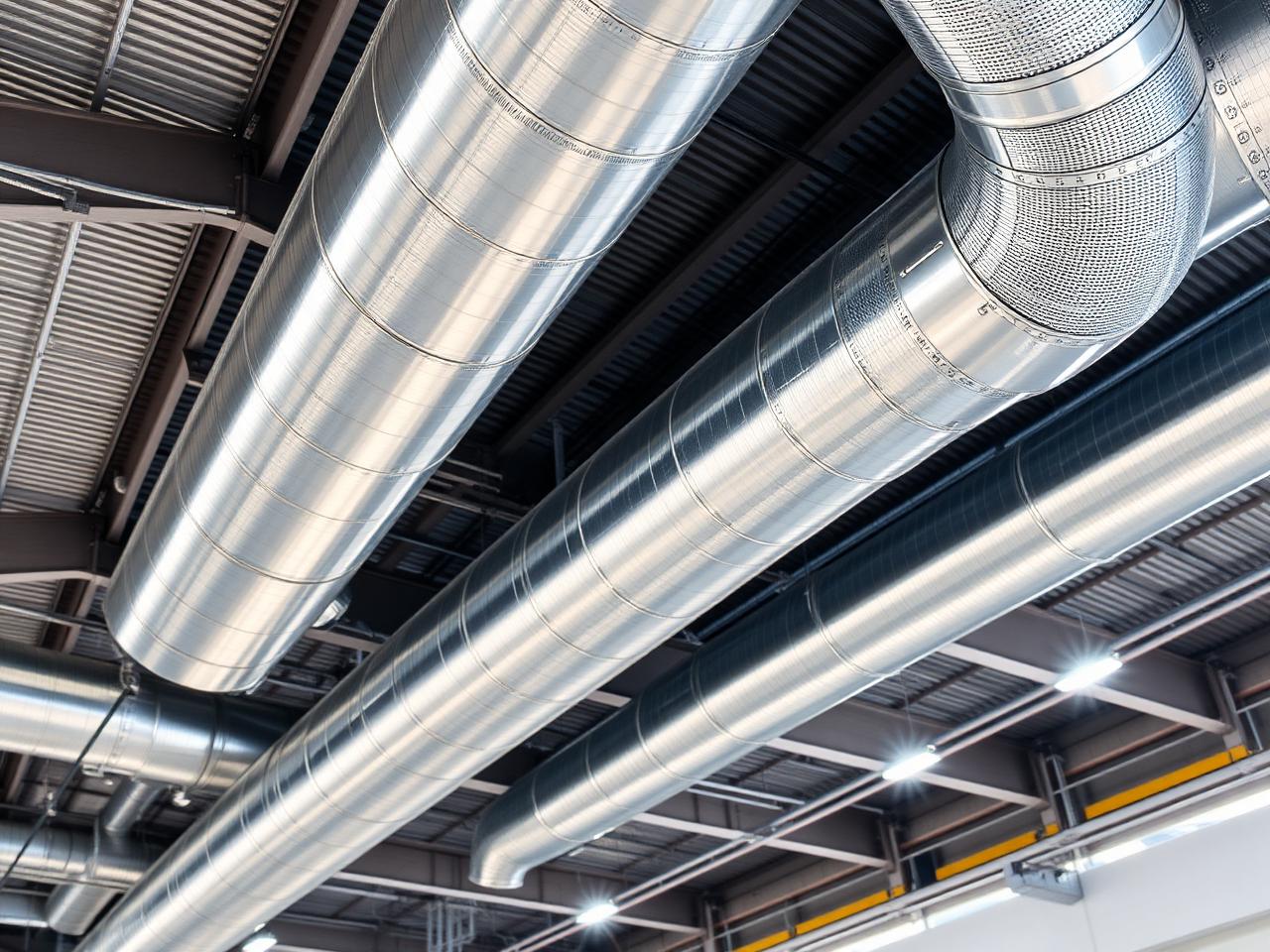
LEV systems require precise hood design, airflow control, and selection of capture velocity to effectively remove hazardous fumes, vapors, gases, and airborne contaminants at their source before they enter the worker’s breathing zone.
Why Capture Velocity Matters
Capture velocity is the air velocity required at the point of contaminant generation to draw hazardous substances into the exhaust hood. Selecting the correct capture velocity is critical for maintaining worker safety, regulatory compliance, and process efficiency in chemical manufacturing facilities.
0.25–0.50 m/s
For low-toxicity vapors
0.50–1.00 m/s
For moderate contaminants
1.00–2.50 m/s
For high-toxicity fumes & dust
Recommended Capture Velocity Ranges
The required capture velocity depends on the contaminant type, release rate, process temperature, and surrounding air movement. Proper hood positioning is equally important to ensure effective contaminant collection.
| Process Type | Recommended Capture Velocity | Hood Type |
|---|---|---|
| Chemical Mixing | 0.50–1.00 m/s | Canopy Hood |
| Solvent Handling | 0.75–1.50 m/s | Slot Hood |
| Acid Processing | 1.00–2.00 m/s | Enclosing Hood |
| Dust Generation | 1.50–2.50 m/s | Local Capture Hood |
“The most effective LEV system is not the one with the highest airflow — it is the one that captures contaminants before they have a chance to disperse into the workspace.”
Core System Considerations
1. Hood Design
Capture performance depends on hood geometry, distance from the contaminant source, process characteristics, and airflow patterns within the facility. Enclosed and partially enclosed hoods generally provide better contaminant control while requiring lower exhaust volumes than open hoods.
2. Airflow Balancing & System Performance
An LEV system should maintain stable airflow throughout all operating conditions. Proper duct sizing, fan selection, and pressure balancing help ensure that designed capture velocities are achieved consistently across every extraction point.
3. System Testing & Validation
Every LEV installation should undergo periodic system audits. Regular monitoring and preventive maintenance help ensure long-term system reliability, worker protection, and regulatory compliance. Validation procedures should include:
- Airflow measurement
- Smoke testing
- Hood performance verification
- Documentation confirming that required capture velocities are maintained and contaminants are effectively removed from occupied areas
Need HVAC & Ventilation Engineering Consultation?
Our industrial ventilation experts design and commission LEV systems for chemical processing plants, pharmaceutical facilities, laboratories, and manufacturing environments requiring effective contaminant control.