
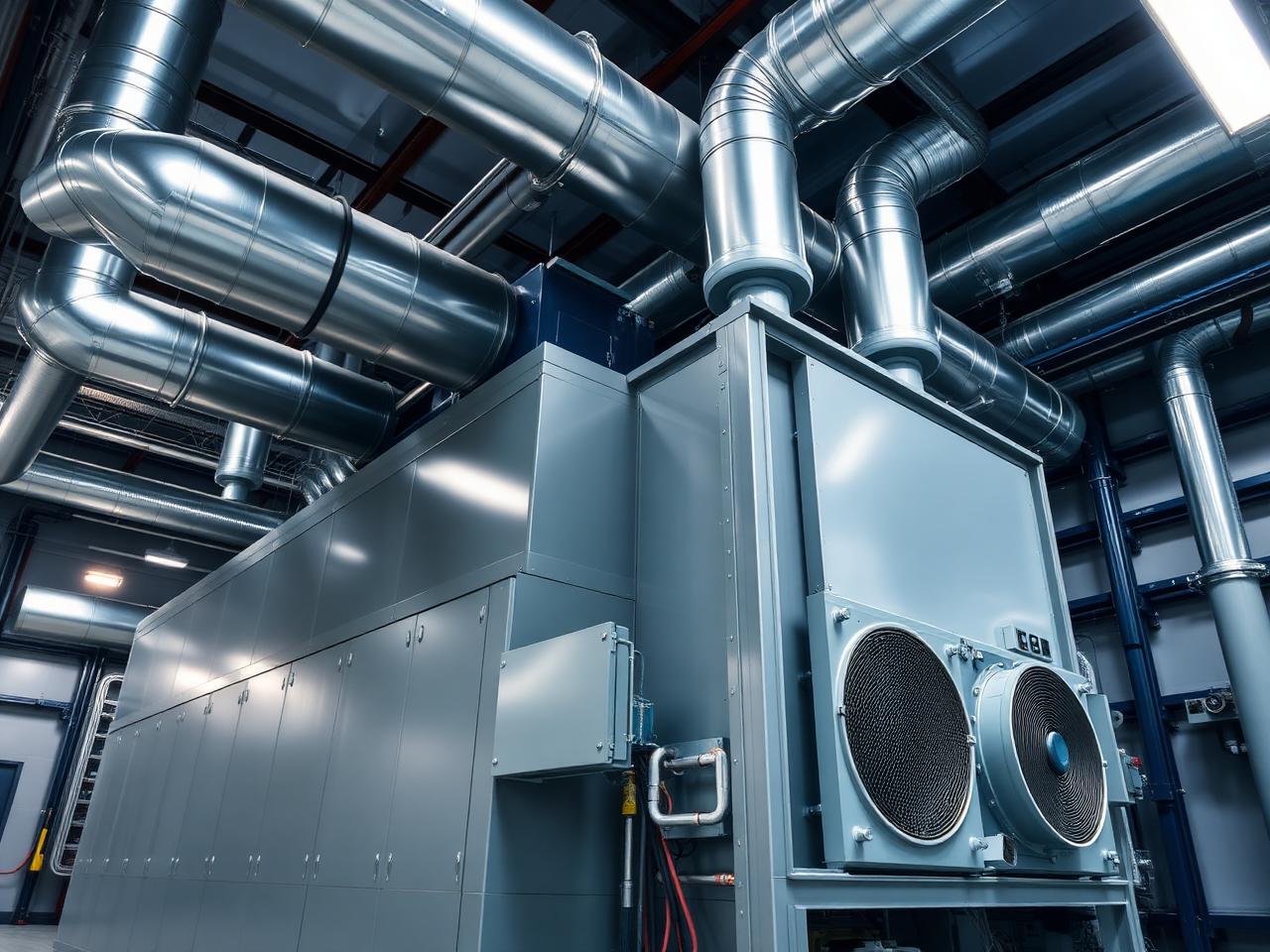
Proper AHU coil sizing is one of the most important factors in achieving energy-efficient HVAC operation. While many systems are designed for peak load conditions, air handling units spend most of their operating hours at partial load. Correct coil selection ensures stable temperature control, effective dehumidification, and lower energy consumption throughout the year.
Why partial-load efficiency matters
Most commercial and industrial HVAC systems operate at less than 100% load for the majority of the year. Oversized coils can lead to short cycling, poor humidity control, and increased operating costs. Properly sized coils deliver better performance across varying load conditions while improving occupant comfort and system reliability.
70–90%
Typical operating time at partial load
10–20%
Potential energy savings through optimized coil sizing
±1°C
Improved temperature control accuracy
Key coil sizing parameters
Coil selection should be based on actual operating conditions rather than peak design loads alone. Factors such as airflow rate, chilled water temperature, entering air conditions, and latent load requirements must be evaluated during the design phase.
| Design Parameter | Recommended Consideration | Impact |
|---|---|---|
| Airflow Rate | Based on actual occupancy and process load | Improved efficiency |
| Coil Face Velocity | 2.0–2.5 m/s | Better heat transfer |
| Chilled Water Temperature | Optimized for system design | Reduced energy use |
| Coil Rows | Selected according to sensible and latent loads | Improved control |
The most efficient AHU is not the one designed for the hottest day of the year—it is the one that performs consistently during the thousands of hours spent operating at partial load.
Coil selection considerations
Coils should be selected to provide sufficient sensible and latent cooling capacity while maintaining acceptable pressure drops. Designers should avoid excessive oversizing, as this can negatively affect system control and overall operating efficiency.
Variable load performance
Modern HVAC systems frequently use variable frequency drives (VFDs) and advanced control strategies to match airflow and cooling output with actual building demand. Properly sized coils support these control strategies by maintaining stable performance across changing load conditions.
Need HVAC engineering consultation?
Our HVAC engineering team designs high-performance air handling systems for commercial buildings, industrial facilities, cleanrooms, healthcare environments, and specialized process applications.
Testing and performance verification
Every AHU should undergo performance verification to confirm airflow, cooling capacity, pressure drop, and control response under operating conditions. Proper documentation and commissioning help ensure the system delivers the expected efficiency, comfort, and long-term reliability.
By incorporating partial-load performance into the coil selection process, facility owners can reduce operating costs, improve indoor environmental quality, and maximize the lifecycle value of their HVAC investment.