
Tyre & Automotive HVAC Systems
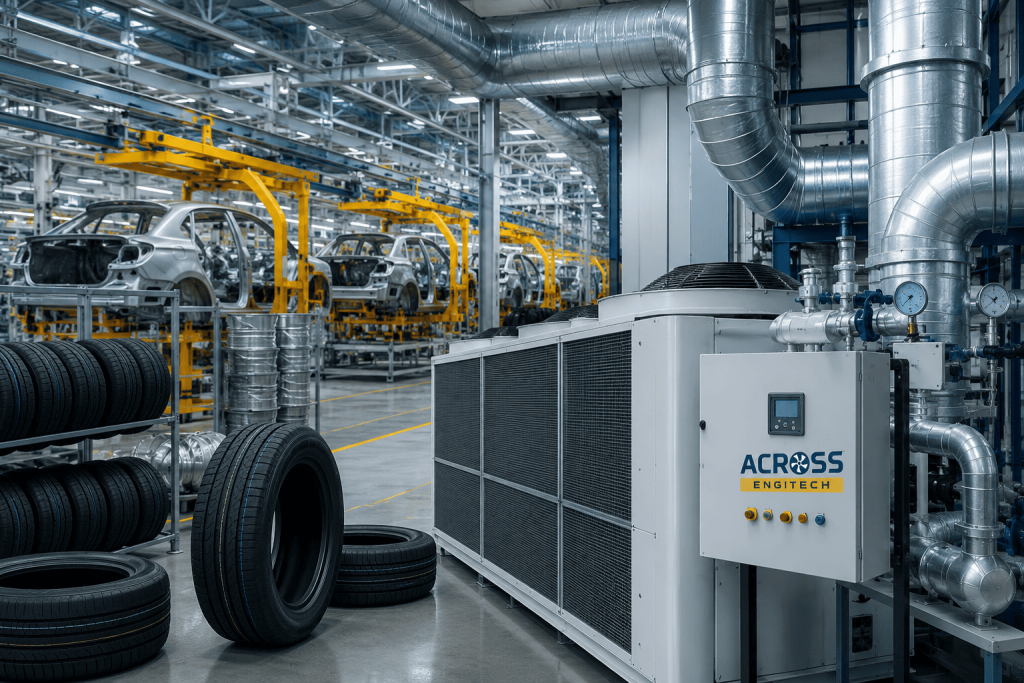
An HVAC system for an automotive component manufacturing plant must control temperature, humidity, and air quality to prevent defects, protect sensitive parts (like electronics and batteries), and ensure worker comfort. Systems are typically sectioned into distinct zones to handle different production, assembly, and warehouse requirements
Enterprise Engineering
Key HVAC Design Requirements

Zone-Specific Controls
Precision Machining & Assembly
Areas involving sensitive electronics, sensors, or plastics require strict temperature control and low humidity to prevent part deformation or malfunction.
Painting & Coating Areas
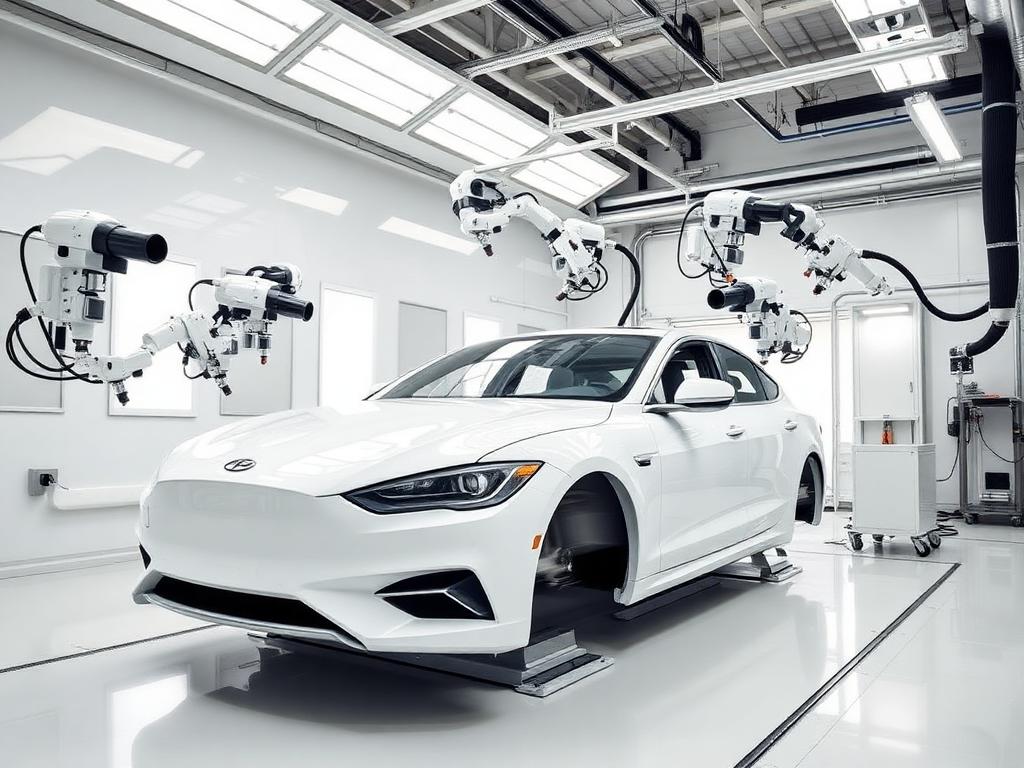
These require continuous exhaust ventilation, specialized filtration (e.g., paint mist eliminators), and positive/negative pressure controls to ensure a contaminant-free finish.
Warehouses/Storage
General ventilation is used for bulk parts, while climate-controlled storage is mandatory for chemical adhesives, rubber, and battery cells.
Air Quality & Filtration
Particulate Control
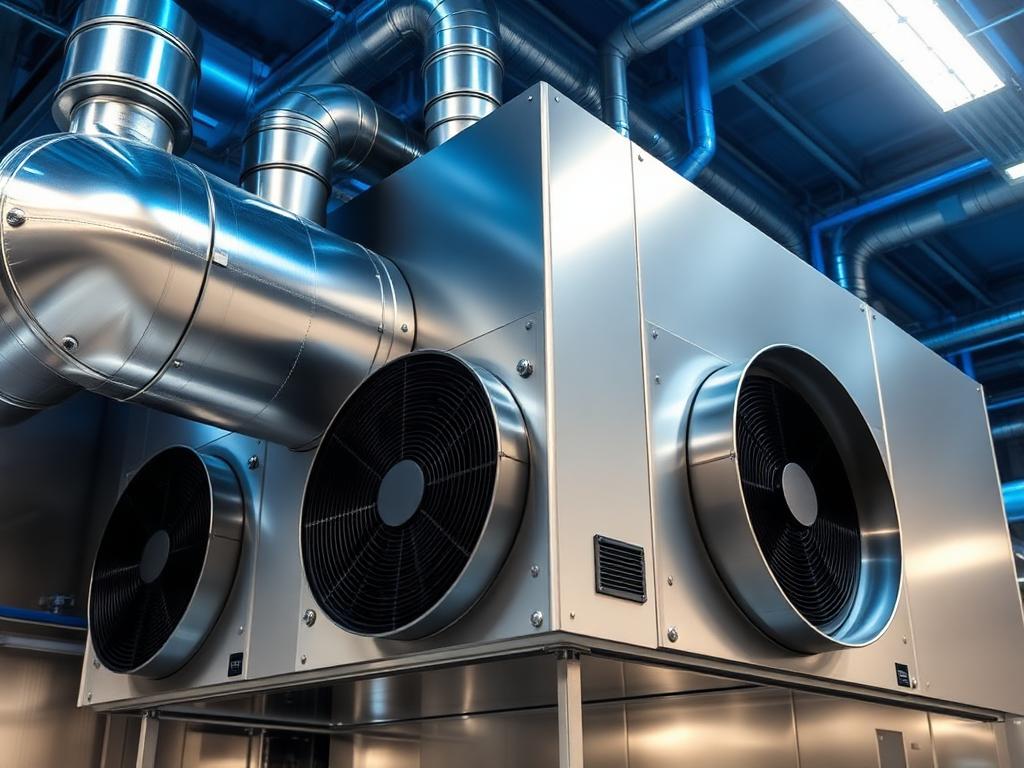
Manufacturing generates dust, welding fumes, and oil mists. Multistage filtration—including HEPA or bag filters—is required to protect delicate components and maintain a safe indoor environment.
Exhaust Systems
Local exhaust ventilation (LEV) is necessary at workstations involving welding, brazing, or chemical baths to remove toxic fumes at the source.
Energy Efficiency & Sustainability
Heat Recovery
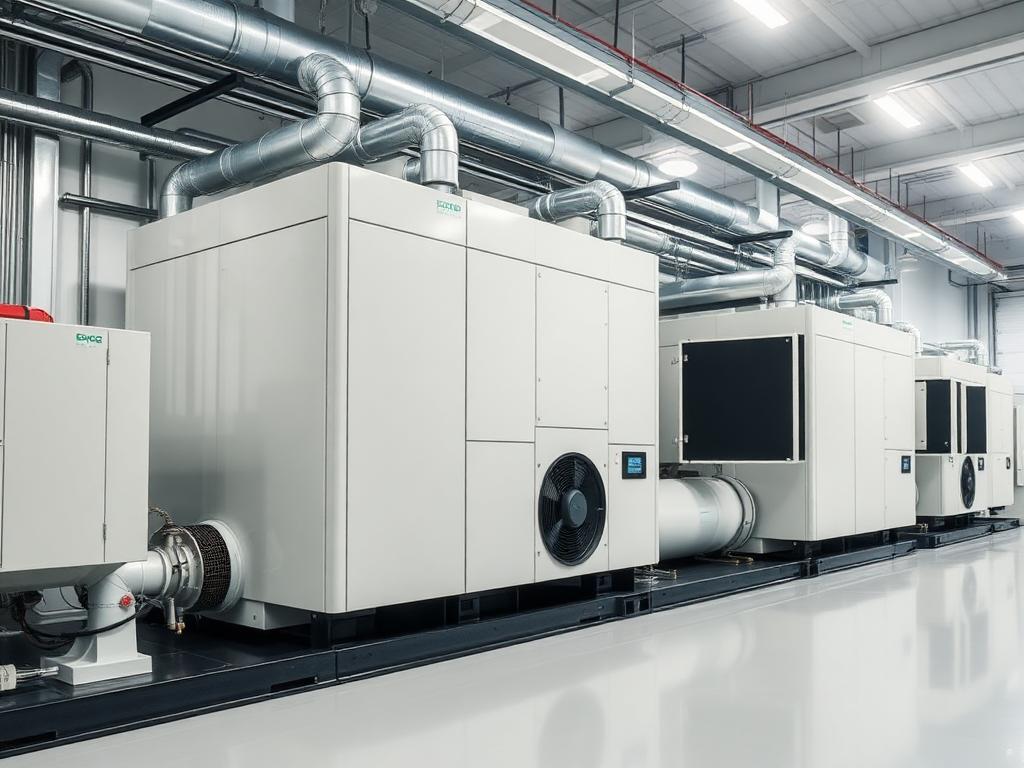
Auto plants produce massive amounts of process heat. Incorporating heat recovery wheels or energy recovery ventilators (ERVs) helps precondition incoming fresh air, drastically reducing the heating and cooling load.
Variable Frequency Drives
Utilizing VFDs on fans and chilled water pumps allows the HVAC system to adjust airflow and capacity based on real-time operational shifts, reducing power consumption.
Thermal & Humidity Standards
General Shop Floor
Temperatures are typically maintained between 24Dec
C to 27 Deg C with relative humidity kept below 50-60% to prevent rust and mold.
Sensitive Component Rooms
May require tighter parameters
22 Dec C Plus Minus 2 Deg and RH > 40% guarantee dimensional stability.
System architecture
An Integrated Automotive HVAC Stack, End-to-End
We engineer seamless, end-to-end industrial ventilation and environmental control systems tailored for demanding automotive assembly lines and tyre manufacturing plants.
Thermal Process Optimization
Automotive components, electronics, and precision machinery require strict temperature management to maintain material integrity, prevent structural variations, and keep high-heat production areas operating safely.
Moisture & Cure Control
Maintaining precise Relative Humidity (RH) levels is critical during tyre curing, component assembly, and paint booth processes to eliminate defect formation and safeguard materials from moisture degradation.
Fume & Particulate Exhaust
Modern automotive plants generate heavy dust, particulate matter, and toxic fumes. Our advanced ventilation and exhaust filtration systems efficiently capture contaminants to maintain safe indoor air quality and protect workforce health.
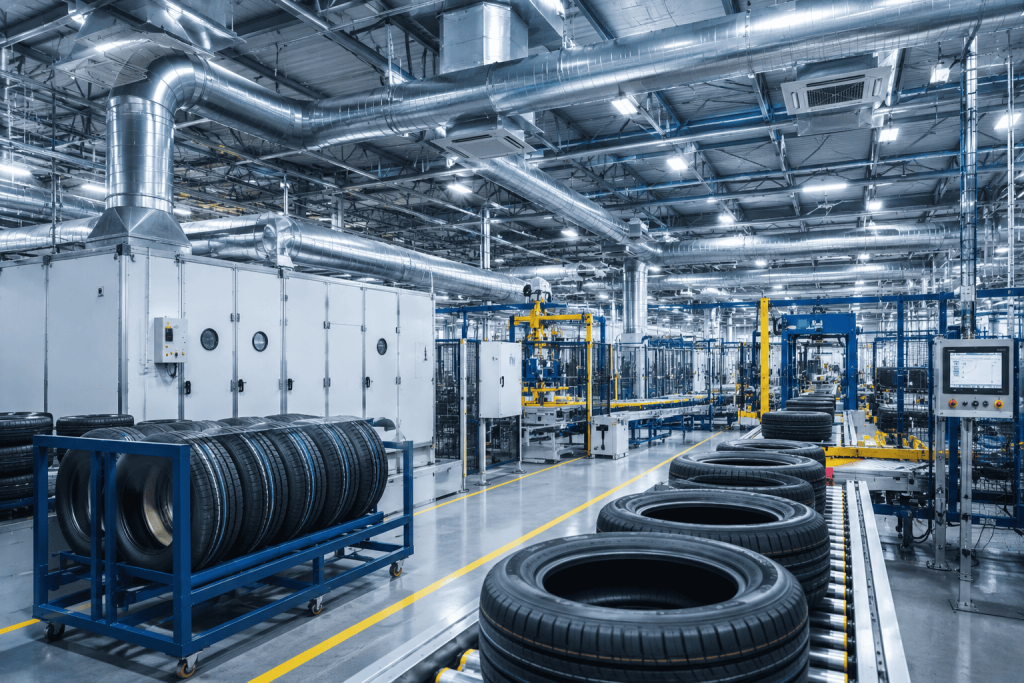
Adaptive control, predictable outcomes.
To ensure premium automotive part manufacturing and safe assembly operations, maintaining rigid plant dynamics is key. We deliver custom industrial HVAC solutions that continuously optimize air movement and indoor climate parameters.
- High-efficiency particulate filtration
- Controlled airflow direction for assembly zones
- Factory-wide temperature & IAQ stabilization
Include
Our Services Include
Integrated HVAC System
Black utilities
BMS
Door interlock and access control
Modular cleanrooms
LV electricals
Fire Alarm
System advantages
Why engineering teams choose us.
Energy-optimized
EC-fan + heat-recovery as standard.
Regulator-friendly
Audit packs aligned to WHO / EU / USFDA.
Smart-ready
BMS / EMS integration & 21 CFR Part 11.
Specify, simulate, validate.
Hand us your URS — we’ll deliver a fully engineered, AMC-compliant HVAC architecture with advanced energy and cleanroom class modeling.